Leak Detection for Insurance Claims in St Helens
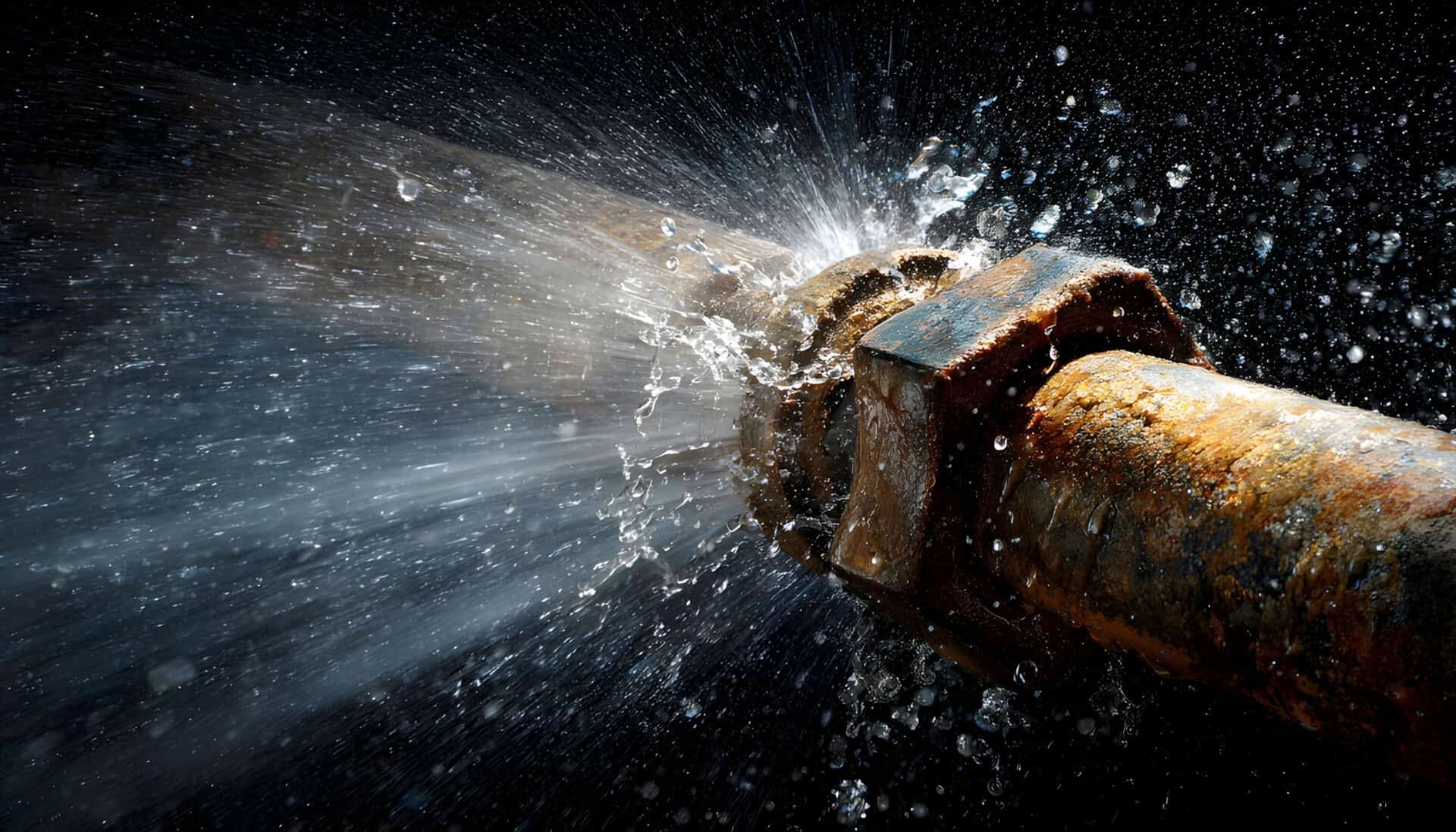
When water damage appears without an obvious cause, identifying where the water originated can be one of the most important parts of an insurance claim. A professional leak investigation can help establish the likely source, affected area and route taken by the escaping water.
Get A Free Quote
Insurance Leak Detection for St Helens Properties
Insurance claims involving water damage can become complicated when the source of the escape is unclear. A damp ceiling may be caused by plumbing in the room above, but water can also travel along joists, pipework and other concealed surfaces before becoming visible.
This means that the most noticeable area of damage may not be directly beneath the leak. Investigating the property properly can help separate the point where water escaped from the places that were subsequently affected.
KF Property Solutions provides insurance leak detection for homeowners, landlords, letting agents and businesses across St Helens. Our investigations focus on establishing the probable source of the leak and recording relevant findings that may assist with the claim.
If you require a broader investigation outside the insurance process, you can also learn more about our leak detection in St Helens service.

Establishing Where the Water Originated
Finding the source of the escape is central to a leak detection insurance claim. Without this information, it can be difficult to determine what needs repairing or whether visible moisture is connected to an active leak, an intermittent problem or residual water from an earlier incident.
The investigation begins by considering the property layout, reported symptoms and location of the damage. Depending on the circumstances, relevant plumbing, heating or drainage components may then be assessed to narrow down the possible source.
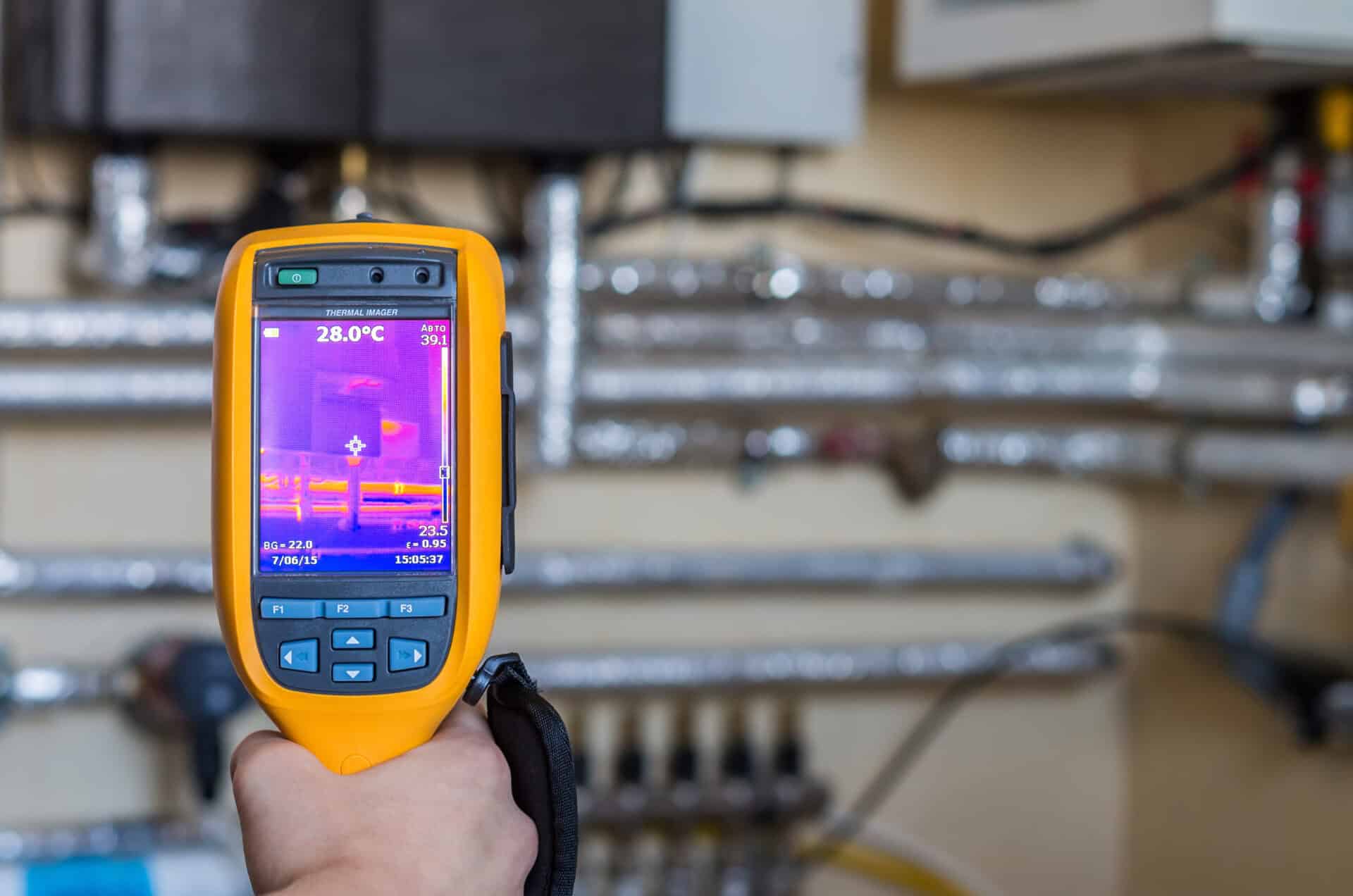
Specialist leak detection methods can be used where appropriate to investigate concealed areas without immediately opening large sections of flooring, walls or ceilings. The exact approach depends on the construction of the property, the suspected system and the evidence available during the appointment.
By methodically reducing the number of possible causes, the investigation can help identify the most likely source and provide clearer guidance about the next stage of repair.
Recording the Apparent Extent of the Leak
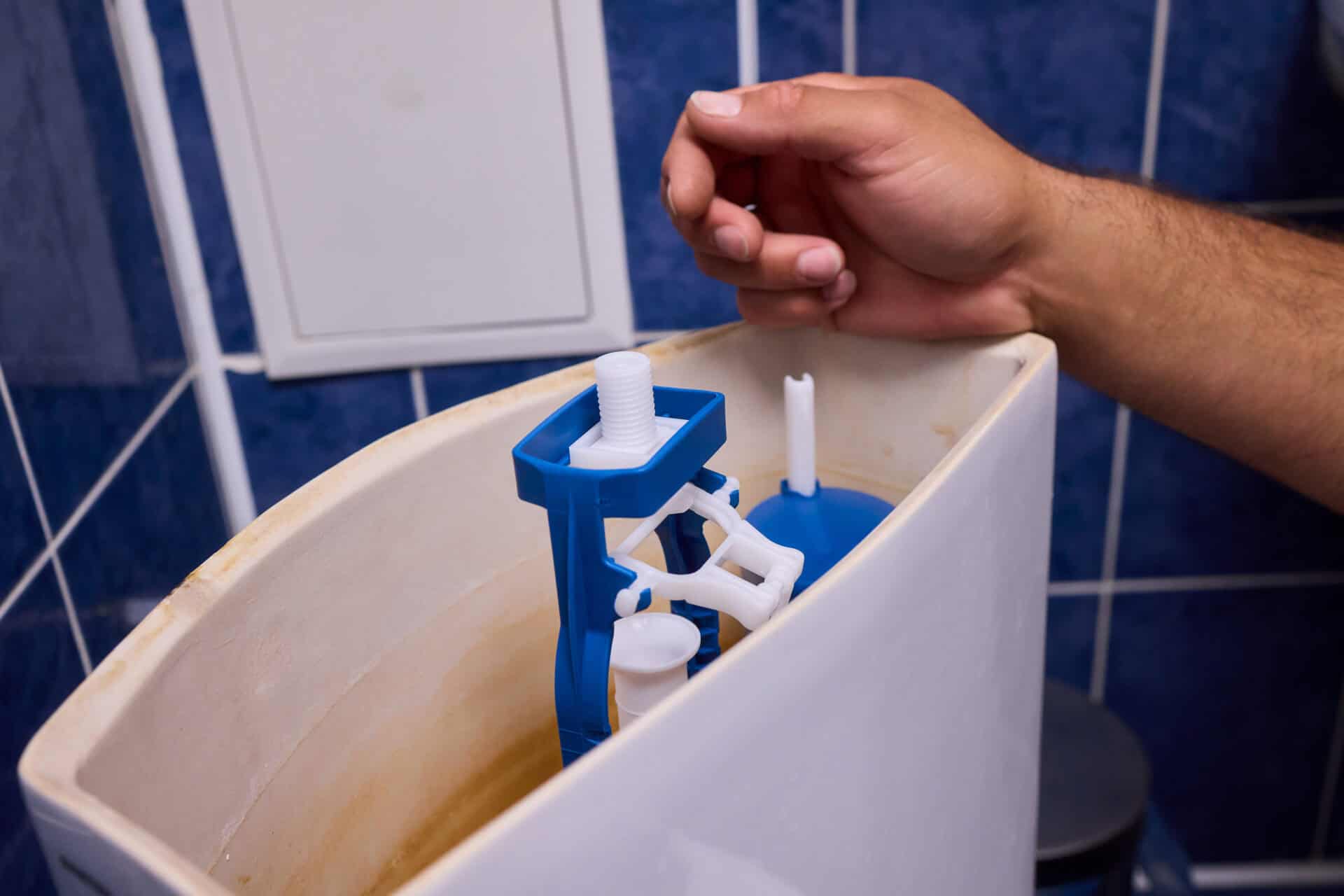
An insurance investigation may need to consider more than the position of the defective pipe or fitting. Water can spread beyond the original leak, particularly when the escape has continued unnoticed beneath flooring or inside a wall.
Moisture readings and other observations can help indicate which accessible areas appear affected at the time of the visit. This can provide useful context for a hidden leak insurance claim, including whether the moisture appears concentrated around one location or has spread into adjoining rooms.
The investigation cannot always reveal every concealed consequence without further opening-up work. However, identifying the apparent pattern of moisture can help property owners, insurers and repair contractors make more informed decisions about access, drying and reinstatement.
The findings also provide a documented snapshot of the conditions observed during the investigation. This may be helpful if the affected areas change while the claim is being assessed or repair work is arranged.
Leak Detection Reports for Insurance Claims
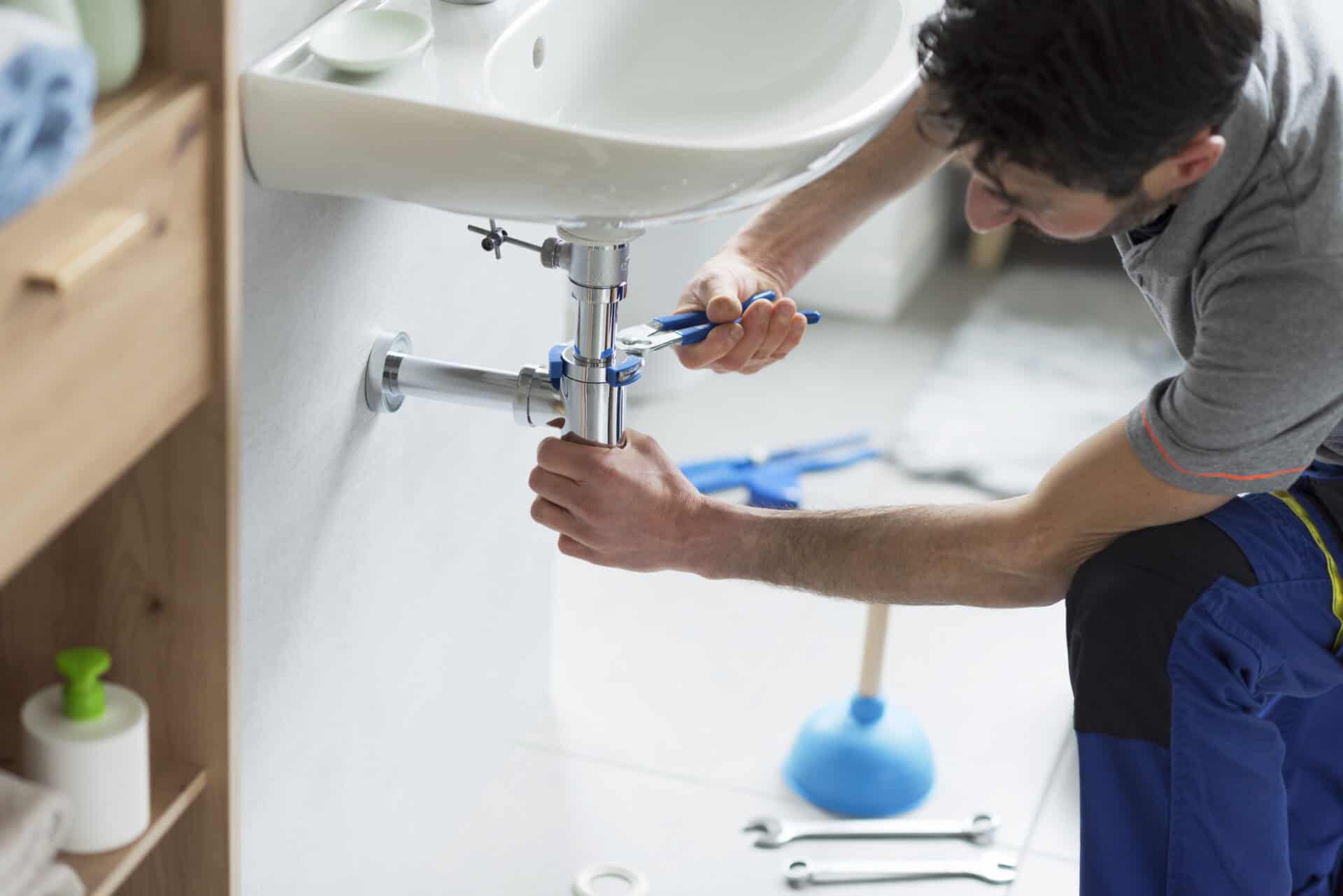
Following the investigation, a leak detection report for insurance purposes can provide a written record of the relevant findings. The report may describe the areas inspected, the methods used, the observations made and the suspected or identified source of the escape.
Photographs, readings and recommendations may also be included where relevant. This creates a clearer account of the investigation than relying solely on a verbal explanation given after the appointment.
A professional report can help an insurer or loss adjuster understand what was found and why a particular area may need to be accessed. It may also assist plumbers, builders and drying contractors when they are planning the next stage of work.
If your insurer has specifically requested a leak detection certificate or report, it is sensible to confirm exactly what information they require before the appointment. Requirements can differ between insurers and policies, and no contractor can guarantee that a claim or individual cost will be accepted.
Trace and Access Leak Detection
Trace and access generally refers to the work required to locate a leak and gain access to the defective pipe or component. Some buildings insurance policies include trace and access cover, although the conditions, limits and exclusions vary considerably.
Our trace and access leak detection service is intended to help narrow down the probable location before disruptive work begins. Locating the issue more accurately may reduce the amount of flooring, plasterwork or boxing that needs to be removed to reach the problem.
If you have searched for insurance approved leak detection, the important point is that approval ultimately depends on your insurer and the terms of your policy. We can provide professional findings and supporting documentation, but the insurer decides whether the investigation, access work and resulting damage fall within the available cover.
Property owners should contact their insurer as soon as reasonably possible and follow any instructions provided. Emergency action may still be necessary to prevent further damage, especially where water is actively escaping.
Leak Detection Across St Helens
We support insurance-related leak investigations throughout St Helens and surrounding areas, including Eccleston, Rainford, Rainhill, Thatto Heath, Sutton, Parr, Haydock, Billinge and Newton-le-Willows.
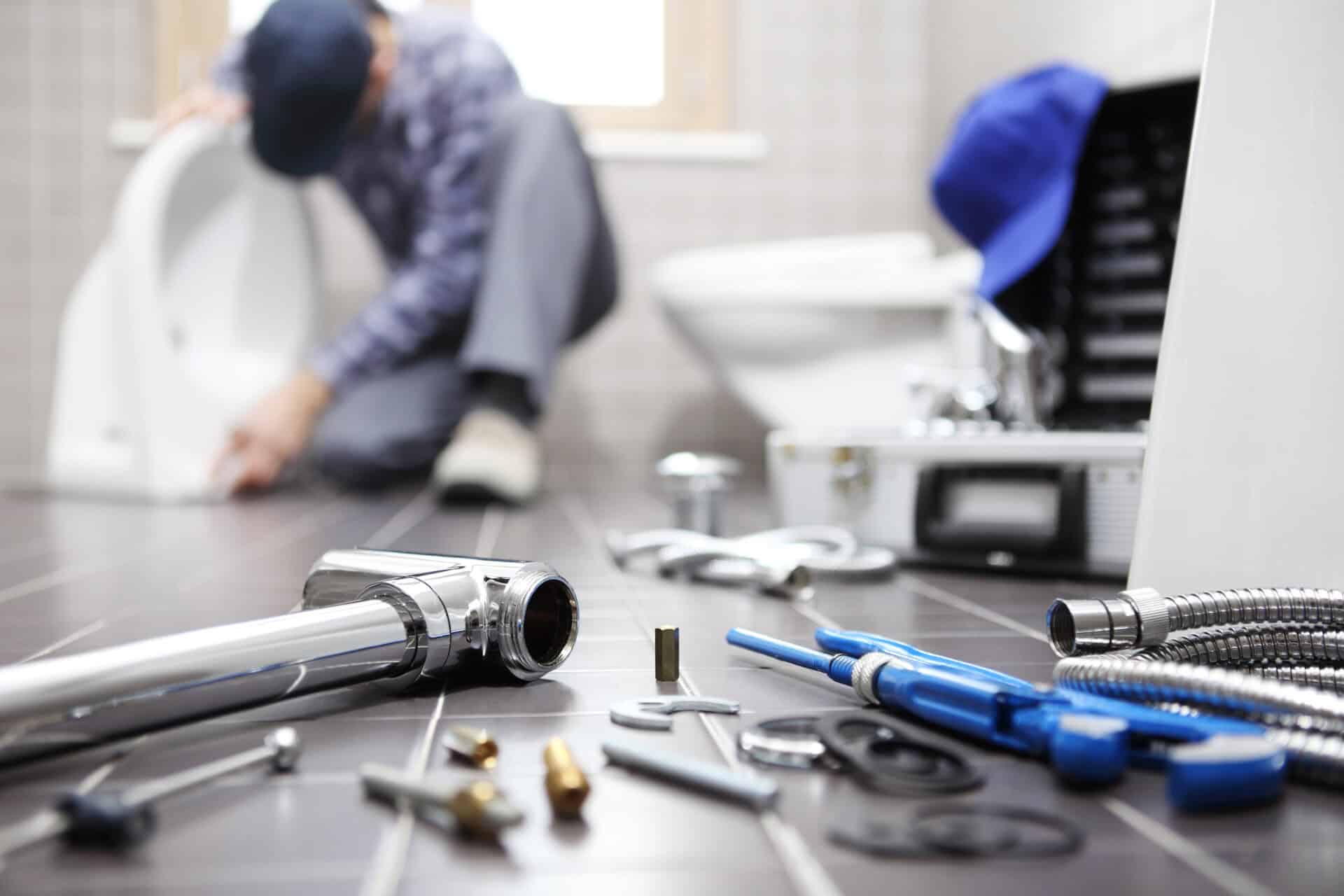
The local housing stock includes traditional terraced properties, interwar homes, modern developments, rental accommodation and commercial premises. Each building can present different challenges, from pipework beneath solid floors to concealed plumbing behind fitted kitchens, bathrooms and internal walls.
Our investigation is adapted to the symptoms and construction of the individual property. Whether you are dealing with a damp patch, recurring boiler pressure loss, unexplained water use or damage appearing below a bathroom, the aim is to establish clear findings and help you move the matter forward.
Frequently Asked Questions
Tell your insurer when you first noticed the problem, where the damage is visible and whether water is still escaping. You should also explain any immediate steps taken to limit further damage, such as turning off the water supply or arranging an emergency repair. Ask whether the policy includes trace and access cover and whether the insurer requires you to use a particular contractor. It is also worth confirming what documentation they expect after the investigation. Keeping photographs, correspondence, invoices and notes of relevant telephone calls can help create a clear timeline. Your insurer can then advise whether you should arrange leak detection directly or wait for further instructions from a claims handler or loss adjuster.
In many cases, the behaviour of the system and the results of appropriate tests can help identify whether the problem relates to the mains water supply, central heating circuit, hot water system or another source. For example, recurring boiler pressure loss may suggest an issue within a sealed heating system, while unexplained movement on the water meter could indicate a supply-side leak. However, symptoms can overlap, and more than one test may be needed before a reliable conclusion can be reached. The investigation considers the available evidence, property layout and relevant systems together. The resulting findings can then help identify which trade or repair method is likely to be required.
Yes, suspected leaks can often be investigated while floor coverings remain in place, although the available methods and level of certainty will depend on the flooring material and the construction beneath it. The initial aim is to narrow down the probable source without lifting large areas unnecessarily. If the evidence indicates that a pipe beneath the floor is leaking, some localised access may eventually be required to confirm and repair the defect. The investigation can help determine where that access is most appropriately made. This is particularly useful for trace and access claims because it may reduce avoidable damage to flooring and surrounding finishes. Any proposed opening-up work should be discussed with your insurer where claim approval is required.
A leak detection report can provide valuable evidence, but whether it is sufficient will depend on the circumstances of the claim and the requirements of the insurer or loss adjuster. The report can record the investigation methods, observed moisture, probable source and recommended next steps. Your insurer may also request repair invoices, photographs of the defective component, drying reports, estimates or evidence of resulting damage. It is therefore sensible to ask what documentation will be needed before repairs conceal or remove important evidence. A report does not guarantee that the claim will be accepted, but it can give the person assessing the claim a clearer technical account of the suspected leak and affected areas.
If water has entered another flat, adjoining house or neighbouring commercial unit, notify your insurer and the affected property owner or occupier as soon as possible. Avoid making admissions about legal responsibility before the cause has been established and the insurers have considered the circumstances. A leak investigation can help identify where the water originated and how it may have travelled between the properties. Access to more than one property may sometimes be required to understand the full situation. Photographs, moisture observations and a written report can help provide a factual record for the parties involved. The relevant insurers will determine how the claims are handled and whether liability, buildings cover or another part of the policy applies.
We provide leak detection support throughout St Helens and nearby communities, including Eccleston, Rainford, Rainhill, Sutton, Thatto Heath, Parr, Haydock, Billinge and Newton-le-Willows. We work with homeowners, landlords, letting agents and commercial property representatives dealing with visible or suspected water damage. When contacting us, provide the property location, a description of the symptoms and any instructions already received from your insurer. This helps us understand the likely investigation requirements and whether there are access considerations to address before attending. If the property falls outside the immediate St Helens area, contact our team with the postcode and we can confirm whether an appointment is available.
Arrange Leak Detection for an Insurance Claim in St Helens
If you are dealing with unexplained water damage, a concealed leak or an ongoing insurance claim, KF Property Solutions can investigate the suspected source and document the relevant findings.
Contact KF Property Solutions to discuss leak detection for an insurance claim in St Helens and request a quotation.